
The psychology of risk: Why we love casinos
The Allure of Uncertainty
The thrill of uncertainty plays a significant role in human behavior, especially in the context of gambling. Casinos create an environment saturated with unforeseen outcomes, tapping into our intrinsic curiosity and desire for excitement. This allure of the unknown encourages individuals to step outside their comfort zones, igniting a rush of adrenaline as they place their bets, while platforms like 1win provide a variety of games that enhance this experience. For many, the exhilarating feeling of risk can be almost intoxicating, pushing them to engage repeatedly in games of chance.
Psychologically, the unpredictability of gambling can be appealing as it parallels the unpredictability of life itself. Humans are naturally wired to seek dopamine, the “feel-good” neurotransmitter that spikes during thrilling experiences. When players win, even the smallest victories can result in a significant release of dopamine, further reinforcing the desire to gamble. This biological response not only promotes continued participation but also fosters a sense of hope and anticipation, making the potential for rewards even more tantalizing.
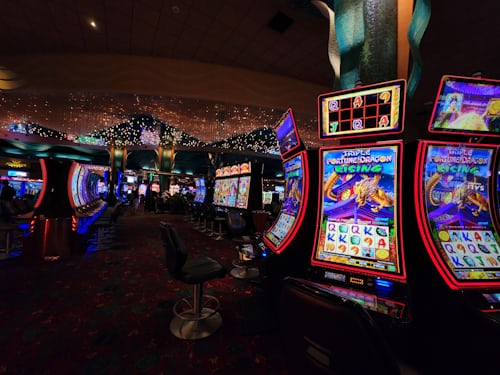
Moreover, this fascination with uncertainty is often accentuated by the casino environment itself. The bright lights, the sounds of coins clinking, and the vibrant atmosphere all serve to heighten the sense of excitement. People are drawn in by the chaos and energy, almost overwhelmed by sensory input that distracts them from more mundane realities. This immersive experience can create a sort of escapism, allowing individuals to momentarily forget about their daily stresses while indulging in the thrill of risk-taking that casinos so expertly cultivate.
The Role of Social Interaction
Casinos are not just places of solitary gambling; they are social hubs where interaction thrives. The communal aspect of playing games fosters a sense of belonging among players, creating shared experiences that amplify the enjoyment of gambling. Whether it’s cheering for a friend at the blackjack table or engaging in lively banter with fellow players, these social dynamics positively influence our perception of risk. This shared emotional investment can enhance the excitement and heighten the satisfaction of winning, effectively making the experience more rewarding.
The social aspects of casinos extend beyond just the gambling tables. Many establishments feature bars, lounges, and restaurants that encourage mingling among visitors. These spaces allow for casual interactions that can lead to friendships and camaraderie, making gambling a more socially acceptable and enjoyable activity. Consequently, this communal atmosphere can facilitate an environment where risk-taking feels less daunting and more of a celebratory occasion.
Furthermore, social norms often dictate that taking risks—especially in a group setting—can be perceived as a positive behavior. When players witness others enjoying their wins or commiserating over losses, it normalizes the occurrence of risk-taking behavior. This social reinforcement can embolden individuals to engage in gambling more frequently as they observe those around them reveling in the highs and lows of the casino experience. The very act of sharing experiences can transform gambling into a collective adventure, increasing its appeal.
The Cognitive Biases at Play
Our brains are wired with cognitive biases that can significantly influence our decision-making in gambling scenarios. The representative heuristic is particularly relevant, leading gamblers to overestimate their chances of winning based on past successes or coincidences. For instance, a player may attribute a winning streak to their own skill, neglecting the role of sheer luck. This bias fosters a false sense of control and can make the prospect of risk appear increasingly appealing, as players believe that they can influence outcomes through their actions.
Another cognitive bias commonly encountered in casinos is the gambler’s fallacy, where individuals believe that past events influence future outcomes. For example, a person may refuse to bet on a seemingly “due” losing streak, mistakenly thinking that a win is imminent. Such fallacies can create a dangerous loop of behavior, encouraging further risk-taking as players chase losses or try to validate their intuitive beliefs about luck and chance. The more they gamble, the more they may fall into these cognitive traps.
Understanding these cognitive biases is crucial for both players and casino operators. While these psychological phenomena can lead to increased engagement and investment from players, they also raise ethical considerations regarding responsible gambling. Casinos must balance the desire to attract patrons with the need to promote safe gaming practices, ensuring that players are aware of their cognitive biases and the risks associated with gambling behavior. This awareness can help mitigate the potential for negative consequences stemming from excessive gambling.
The Thrill of Winning vs. The Pain of Losing
The contrasting emotions of winning and losing play a stellar role in why we are drawn to casinos. The thrill of victory can evoke euphoric feelings, leading to a rush that players often seek repeatedly. This elation, however, can overshadow the potential pain of loss, making it easy for players to downplay the adverse outcomes associated with gambling. The exhilaration surrounding victories can create a powerful feedback loop, motivating players to continue participating in games with the hope of recapturing that initial rush. The emotional high of a win can be intoxicating, often leading to a cycle of continued play.

Loss aversion is an essential psychological principle that explains why people often take greater risks in the face of potential loss. Players are generally more motivated to avoid losing money than to win money, which can lead them to chase losses by engaging in riskier bets. This behavior, compounded by the thrill of gambling, creates an environment where individuals find themselves trapped in a cycle of risk that is difficult to escape. The emotional stakes are high, as the desire to recover losses fuels a relentless pursuit that may not always yield favorable results.
Ultimately, the emotional highs and lows of gambling contribute to its overall appeal. The chances of winning create a powerful incentive to participate, while the fear and anxiety stemming from potential losses add a layer of complexity to the experience. This delicate balance between risk and reward is what captivates individuals and keeps them coming back for more, boosting the allure of casinos as a unique form of entertainment. The interplay between these emotions can create a compelling narrative that draws players back, regardless of past outcomes.
Finding Balance in the Casino Experience
Understanding the psychology of risk in casinos underscores the importance of recognizing one’s limits. While the excitement of gambling is undeniable, moderation is crucial to ensure a healthy relationship with risk-taking. Players should set clear boundaries regarding their gambling habits and adhere to budgets to avoid falling into patterns of excessive risk-taking. By cultivating mindfulness around the emotional and financial aspects of gambling, individuals can enjoy the thrill of casinos without jeopardizing their well-being. Awareness of one’s limits can transform the gambling experience from one of potential harm to one of controlled fun.
Moreover, casinos are increasingly implementing responsible gambling measures in response to the psychological insights gained from player behavior. Initiatives such as self-exclusion programs and informational campaigns about the risks of gambling can help individuals recognize when their behaviors may be becoming problematic. In this way, casinos not only provide an exciting environment for risk-seeking behavior but also work toward fostering a responsible gaming culture. Such initiatives can help players navigate their gambling experiences more safely, ensuring that the thrill remains enjoyable.
Ultimately, striking a balance between the enjoyment of risk and the need for responsible gambling is key to enhancing the overall casino experience. Players who approach gambling with awareness and restraint are more likely to appreciate the thrill while minimizing the negative impacts often associated with excessive risk-taking. Finding this balance allows individuals to enjoy the social and emotional benefits of casino gaming without succumbing to its potential pitfalls, creating a more sustainable and enjoyable gambling experience.